Throughout history, certain people have searched for the elixir for life, the fountain of youth and other magical ways to live forever. These people were often rich and powerful and the reason for this was that although they might be rich, the one thing they could not buy was one more minute of life when their time had come. However, over the years, magic has been replaced by medical research. Obviously, with new medications and procedures, we can live longer. But, there is also research around the world studying why we age and how to slow it down or eventually stop us from getting old and extending life by a long way.
A number of scientists are confident that over the next decades, it will be possible for people to live to 150. Now, I am not saying that they are correct but there is evidence that some groups may be on the right track to achieving this. To achieve this, we have to first understand what some of the mechanisms are for ageing. Basically, cells in our body die and are replaced by new ones. Within each cell is our blueprint, our DNA and attached to this is a “tail.” This is called a telomere.
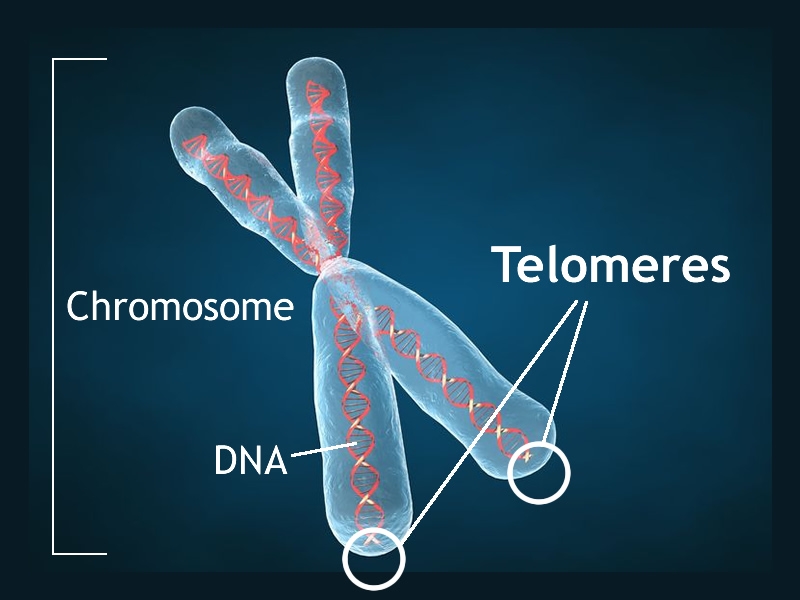
Now, when a cell reproduces or divides, it can often have slight changes to the previous cell and these can cause damage which in turn leads to the symptoms of ageing. The function of the telomere is that instead of our DNA being damaged, a small part of the telomere is destroyed, leaving the new cell unchanged. Unfortunately, there are only so many times the telomere can lose part of its length before there is none left. When this happens, there is nothing to stop the ageing process from running its natural course. Without any telomere left, the cell cannot divide and will eventually die.
Therefore, part of the research into ageing involves trying to find ways of stopping the telomeres from being shortened. We are not there yet but scientists are working on resetting the telomeres or modifying the DNA which might halt the telomere shortening. One of these studies involves an enzyme called telomorase which may be able to accomplish this.
This ongoing research appears to confirm that there is a link between the telomere length, our biological age and our overall health and mortality. So, is there anything we can do to help to slow this shortening of our telomeres? There is and you may not be surprised to learn that it is very similar to the advice given to reduce the onset of many other diseases and medical conditions. These include, not smoking, normal weight, a good healthy diet, exercise and keeping our stress levels in check.
If this works for you, please invite me to your 150th birthday.
 John Pullen