The idea of using the upturned cranium of a human skull to either drink out of or eat from may sound not only horrible but fictitious. Indeed, many historians believed that this was a fictional metaphor or just a spicy legend. But, we now have evidence to say that not only did this happen but it was not confined to one civilisation or part of the world.
The first account we have of such a practice comes from Herodotus, who was a Greek historian from about 500 BCE. He writes about the Scythians who were to be found east of the Black Sea. He relates that it was common practice to drink out of the upturned skulls of a defeated enemy. In a similar belief to those who allegedly ate the bodies of their enemy, this was supposed to bestow on the consumer any powers that the enemy might have possessed.
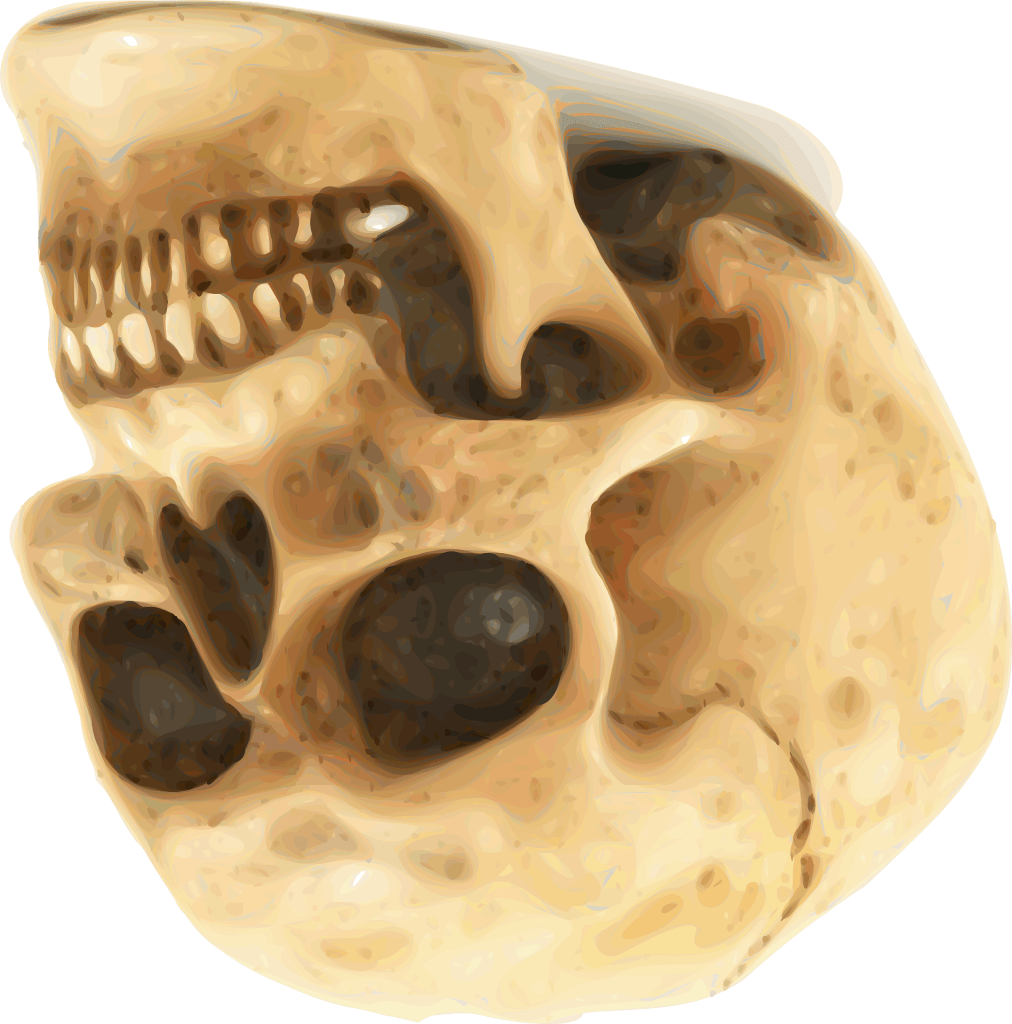
It is supposed to be upside-down
Written accounts of events are interesting and helpful, but having some physical evidence to back up the written word or verbal account is always desirable. Such a discovery was made not in Asia but in England in the county of Somerset. Archaeologists were conducting a search of Gough’s Cave and came across piles of bone fragments. These were later found to be a mixture of animal and human bones.
There was an attempt to piece the human fragments together and when they did, it was quite a surprise, to say the least. The fragments, when pieced together made up six cups or bowls. They had been originally fashioned by cutting through the “defleshed” skull above the ears and inverting it.
There is one important question which still has to be answered and that is where these vessels were used for drinking or eating out of or were part of some ceremonial purpose such as burial rituals.
 John Pullen