We only have to watch a Paralympic athletics event or the Paralympics themselves to know that people who have lost limbs are able to take part competitively in many sports. This is mainly due to the specialised equipment that is continually being improved, such as prosthetic limbs and wheelchairs. But, as good as these aids are, it is not the same as having your limb back. If only we could find a way to regrow an amputated limb such as an arm or leg. The good news is that there is research underway in order to achieve this. However, it is at a very early stage, but this is the current state of play.
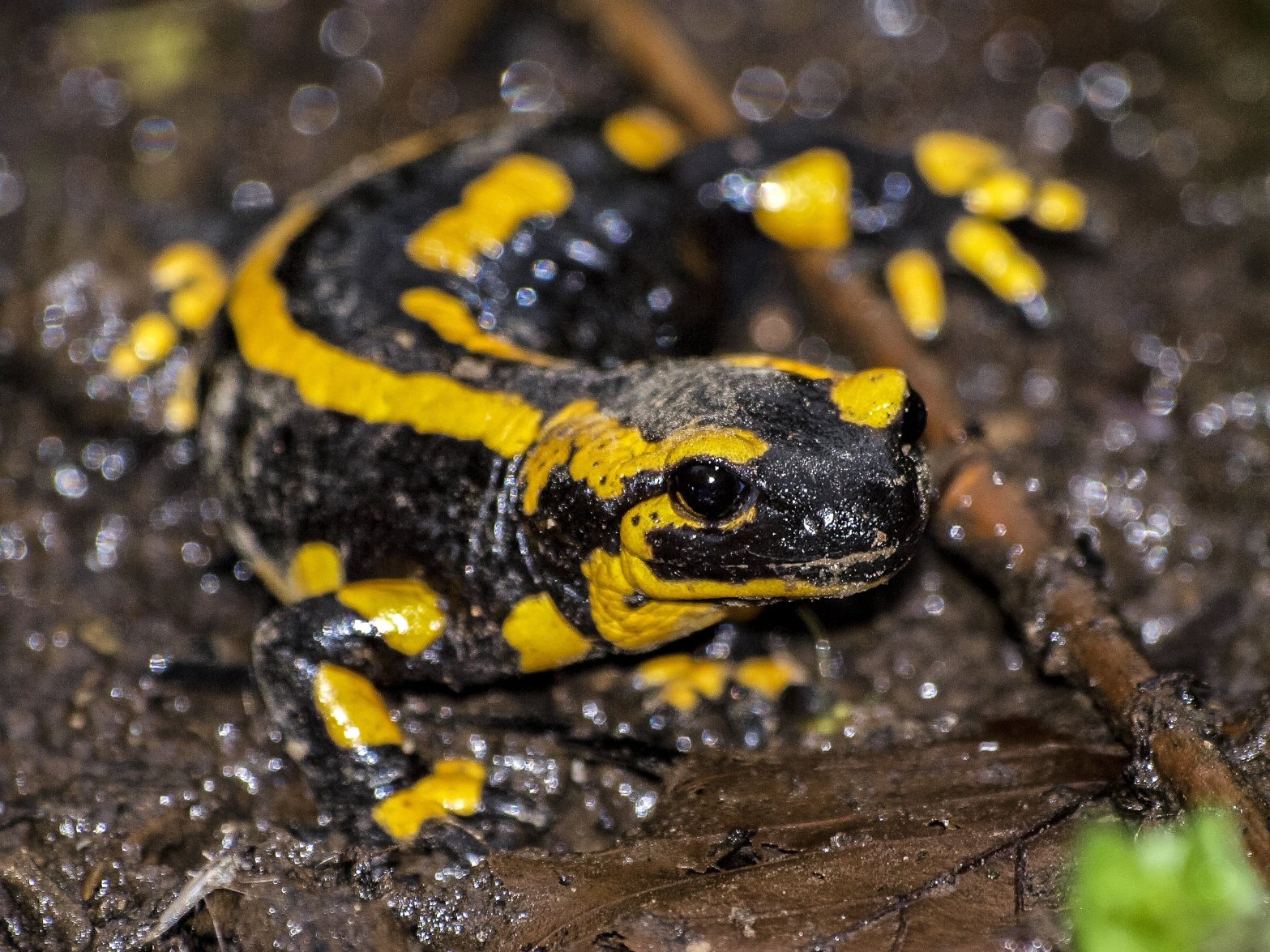
Humans cannot grow amputated limbs. But, certain other creatures can. These include the salamander, flatworms and others. However, if we think about it, we must have the inherent ability to do the same because before we are born, we create a functioning body with arms and legs. Therefore, some of the research combines looking at how other creatures can achieve this regrowth whilst at the same time, looking at what mechanisms are working at the embryonic stage of life.
So far, scientists have identified some of the proteins responsible for this function within the womb. They have also identified some of the genes which get them to turn on and off. One of the theories is to create the amniotic fluid in which an embryo develops. Early results have shown that some mice with an amputated limb have been able to partially regrow that missing limb. This is achieved by wrapping the area of the missing limb in a sleeve which is filled with all the right ingredients for amniotic fluid.
Another theory is that in the distant past, humans may have had the ability to regrow limbs, but over time, our immune systems got better and more sophisticated and this could have led to this ability to be stopped from operating. There is some thought that if we can turn this regeneration ability back on, then we may be able to grow new limbs. But, this is probably many years on if it is at all possible.
 John Pullen