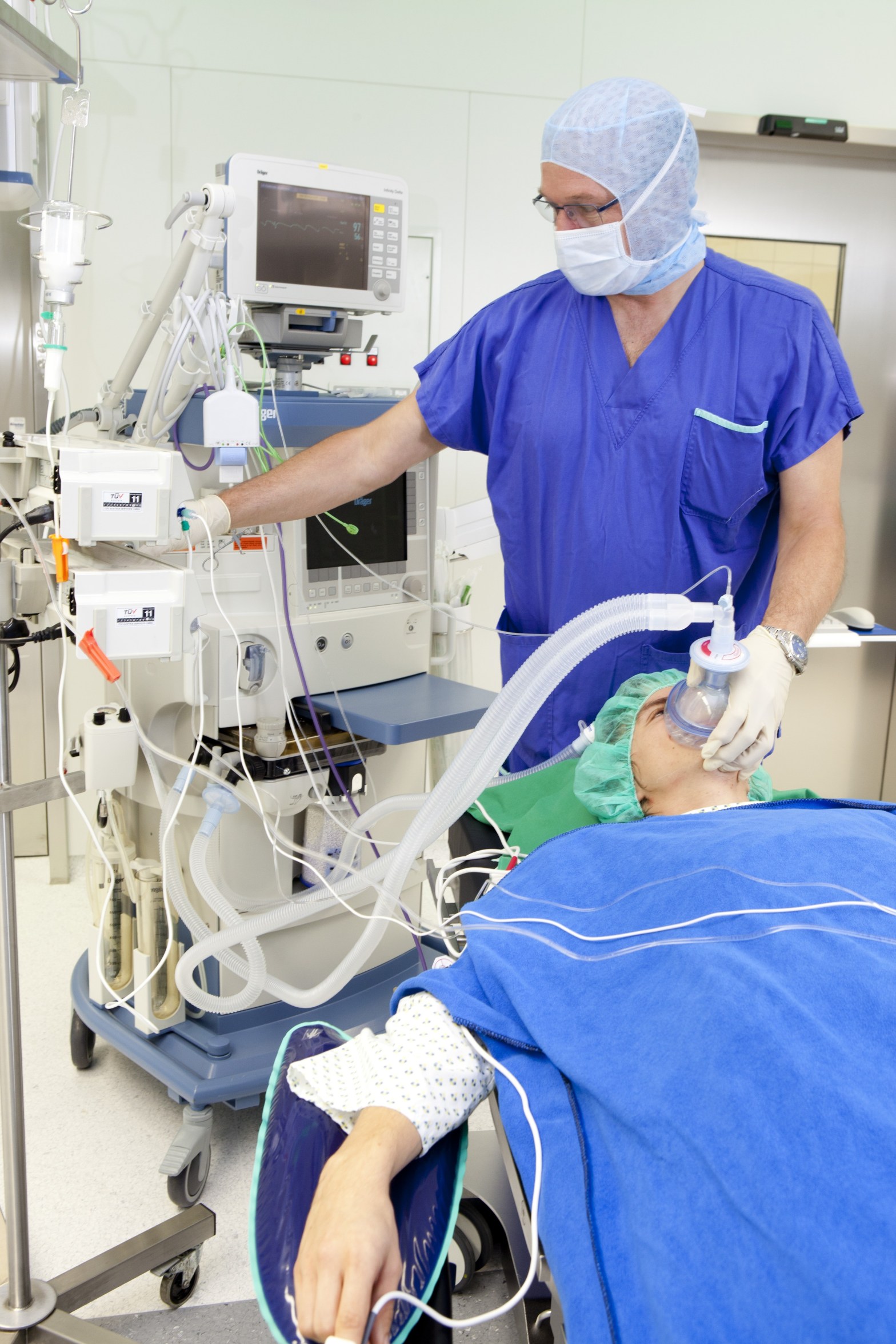
We have probably all heard of anaesthetics and many of us have had them administered to us by medical professionals. They can be put into two categories. The first is termed local anaesthetics. These have the effect of numbing or desensitising a part of the body which is reversible and does not lead to a loss of consciousness. The other type is termed a general anaesthetic. This again is reversible but leads to a loss of consciousness.
An extreme example of a local anaesthetic is if the patient is having brain surgery. The surgeon often needs to question the patient during the procedure to ensure that no nerve or sensory damage is done. On the other hand, an example of a general anaesthetic might be a heart operation where the patient is unconscious and kept alive by machines whilst the heart is stopped to perform work on it.
It is important not to mix up anaesthetics with analgesics. The latter is usually used for pain relief only. There are many anaesthetic drugs available to an anaesthetist who will be responsible for this part of any procedure in an operating theatre. You can tell if a drug is a local anaesthetic as it will have the suffix “-caine” in its name.
It is a fact that no anaesthetic, whether it is local or general is 100% safe. There can often be side effects to taking the. However, the medical professional in charge of this will check for any potential problems before a choice of anaesthetic is made. Sometimes two anaesthetics can be combined. The above should not worry you as thousands of operations take place without any serious problems caused by the anaesthetic used.
There are a number of ways an anaesthetic can be administered. They include inhalation, intravenous (non-opioid), intravenous (opioid) or a range of muscle relaxants. Finally, there are a number of what are termed intravenous reversible agents which have the effect of reversing some of the anaesthetics administered.
 John Pullen