Lots of us may have seen the Jurassic Park series of movies. If you haven’t, then they are about a wildlife park with a difference. All the animals have been brought back from extinction. The only problem for the visitors and to make the movie exciting is that all the creatures are recreated dinosaurs. You can imagine what bad things happen.
But, forgetting the fictional recreation, what are the chances of actually bringing back creatures that have become extinct? We will neglect dinosaurs who were probably killed off in the years following a large asteroid impact in Central America around 65 million years ago. Instead, what about the chance of seeing mammoths walking about again? They were still around up until about 10,000 years ago. The question is, can we do it? It has been asked for many years. The answer is a reserved yes. Scientists working in this area of research have come up with three possible solutions.
The first is termed back-breeding and involves finding a living species similar to the extinct animal. The process would mean that scientists would have to selectively breed the living creature to enhance and bring out the traits of the original extinct creature.
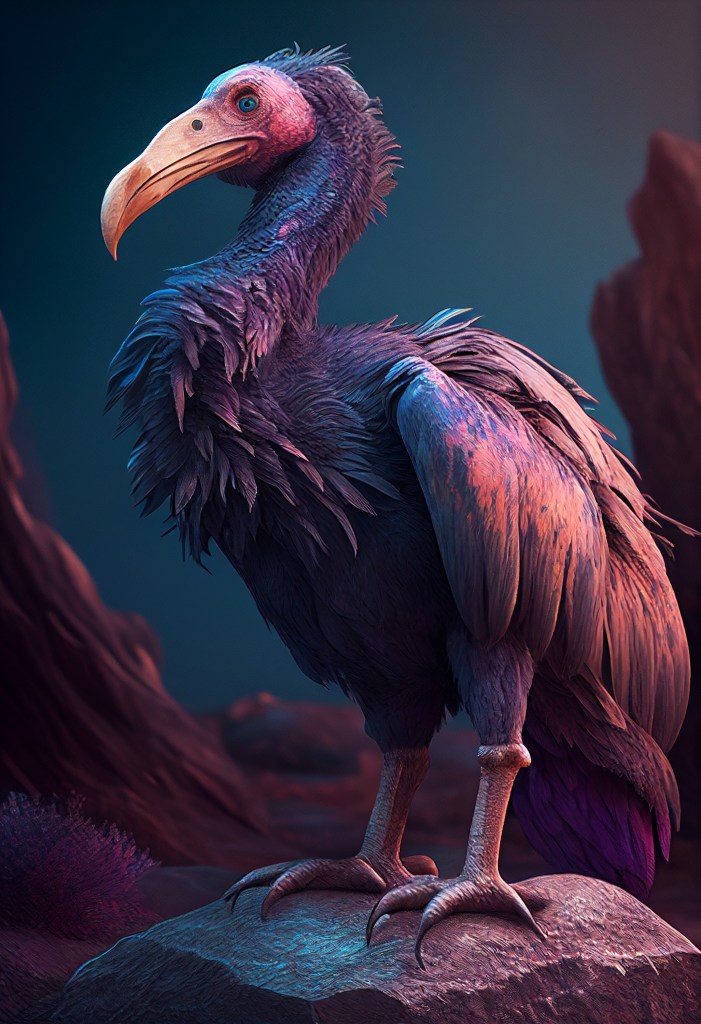
The second method is something which has been around for several years and has made the news headlines on more than one occasion. It is the science of genetic engineering. This technique requires that you obtain some DNA from the extinct specimen. This is of course quite possible and is used in some specialised medical procedures. The process would then involve examining the genetic code from the DNA and analysing which parts are missing or damaged. Genes from a similar living creature could then replace these.
The third method is cloning. Most people have heard of this term and will associate it with producing an identical creature to one already existing. Some of you may remember that a couple of decades ago, researchers in Scotland cloned a sheep and named it Dolly. Overall, the process was pretty successful and Dolly lived for several years. Unfortunately, the process becomes more difficult if the original creature no longer exists. The reason for this is that you need a viable cell nucleus from the extinct creature. If this can be obtained then it is possible to use a procedure called somatic cell nuclear transfer. I bet you all knew that! As far as I know, this has not been successful so far.
These are the current suggestions for recreating extinct species but none has been able to bring back a mammoth, a Tasmanian Tiger or a Dodo…yet! However, there is another question which has to be raised in this debate and that is should we even try? Researchers at Stanford University in the USA have looked at this moral and ethical issue.
They found there were advantages and disadvantages to bringing back extinct species. The advantages included furthering scientific knowledge about how evolution works. As I said before, genetic engineering is already a medical tool and such research might give the subject a boost. We are all aware of how we are destroying parts of our environment and damaging various ecosystems. Replacing extinct species that once roamed these areas might help to reverse the damage already done and re-balance the ecosystem. Finally, losing certain species such as rhinos and tigers is a real loss to the world and perhaps we should try to avoid this outcome.
The case against such research includes whether it is morally justifiable to bring back extinct species. If there were mammoths in captivity, the majority of people would come and see them just as a source of entertainment. Over the past several years we have become very aware of how new viruses such as COVID-19, can appear and cause great damage and death to millions. There is a possibility that we could also recreate some viruses from the distant past.
We have learned to our cost that introducing a new species into an environment can have a devastating effect on the animals that already occupy it. This occurred in the UK when grey squirrels displaced the native red variety. Today, there are only two places in the UK where you can find red squirrels in nature. Some people will say that we are playing at being “God” and if we continue down this path, we might regret opening a new Pandora’s Box.
Whichever side of the argument you are on, I will lay a bet that someone, somewhere will attempt to bring back certain extinct species in the future. And that might be with or without government backing.
 John Pullen