Charles Dickens is considered by many to be England’s greatest author. This is not to demean Shakespeare but remember, he was a playwright, not a novelist. Dickens did not have an easy upbringing. His father was gaoled for non-payment to a baker for some bread and Charles had to find work to help the family and pay off the debt. Some say that it was these experiences that gave him the knowledge and insight for the creation of some of his later characters.
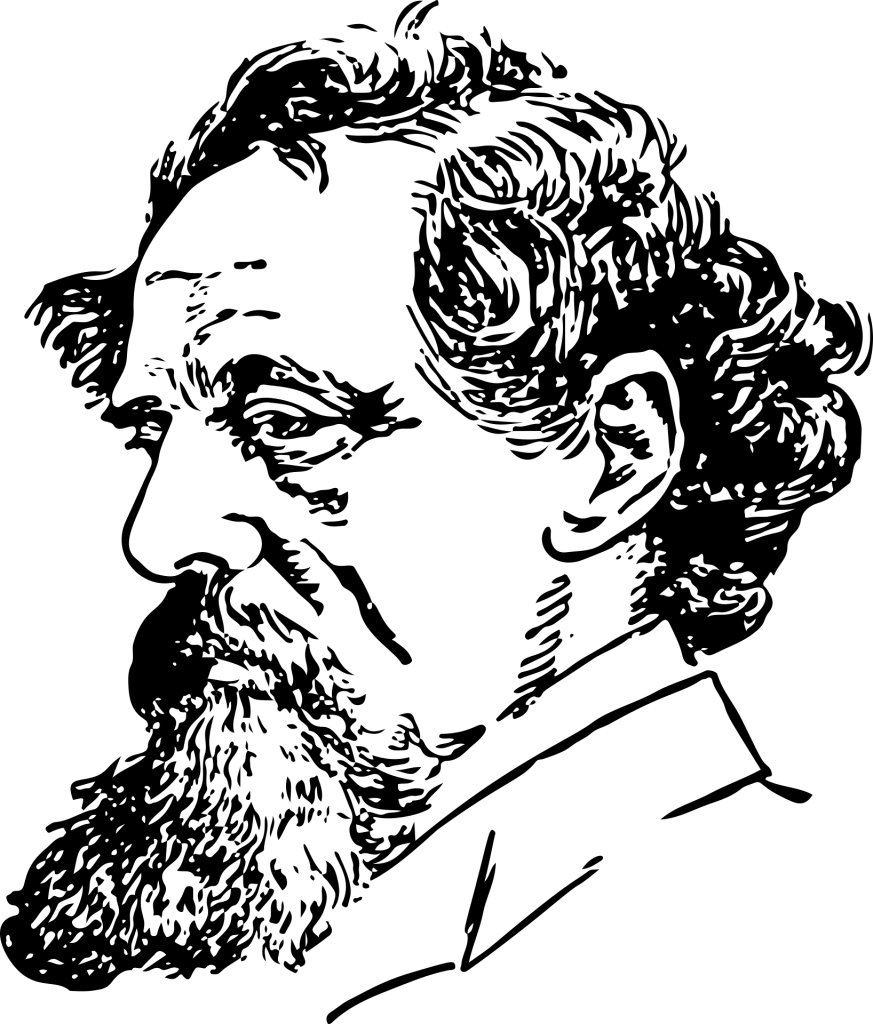
Dickens died in 1870 and left one book unfinished. It was titled “The Mystery of Edwin Drood” and it has been a mystery ever since. It is a story of love and jealousy between several suitors. The synopsis is that Edwin Drood is engaged to a lady named Rosa Bud. Unfortunately for Drood, his uncle, John Jasper, a choirmaster, also has intentions for Rosa.
To make matters even more complicated, another admirer arrives on the scene. His name is Neville Landless and he had come from Ceylon, which is now Sri Lanka. Because Drood is engaged to Rosa, Landless takes an instant dislike to him. There is yet another complication when a mysterious man called Dick Datchery arrives. What role he was to play in the story, we do not know. A short time later Drood disappears in mysterious circumstances. It appears that he has been murdered, but by whom?
And that is the point in the story where Dickens can write no further. At the time of his death, Dickens was too big a celebrity to let such a story remain unfinished. There were several attempts by others to give the story an ending. None were that successful. One of them was an American spiritualist who maintained that it was Dickens himself who dictated the ending during a séance.
In 1914, the Dickens Fellowship of London decided on a novel way (pun intended), to come to a conclusion and uncover the killer. They staged a court of law with the judge as none other than G.K. Chesterton. The character they believed was in the frame for the murder was John Jasper and so, they put him on trial. The cases for the prosecution and defence were made before Judge Chesterton. At the end of the trial, Chesterton made his pronouncement on the verdict. He found the case “insoluble”. Not only that, but he then fined all his fellow members for contempt of court! I bet that was the last time he was elected as a “judge!”
 John Pullen