Over Christmas 1968, Apollo 8 became the first manned spacecraft to orbit the Moon. The command module pilot on this three-man mission was William Anders. Amongst all his other duties, he took an exceptional photograph. It has been calculated that more people have seen this than any other image of the Moon. It was entitled “Earthrise” and showed the Earth rising above the lunar horizon.
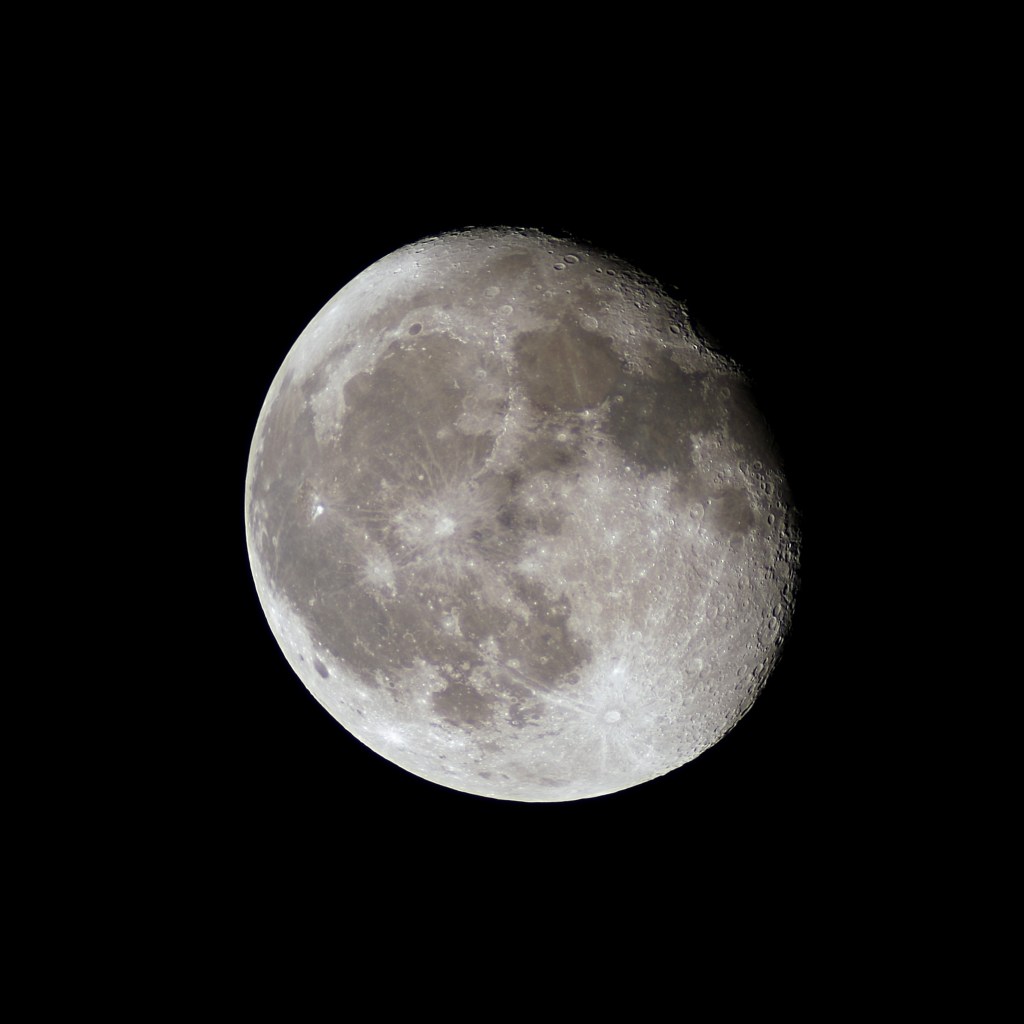
Almost sixty years later, it is helping us to find other life in our solar system. One of the craters in the picture was to be the target of an experiment to test a new instrument aboard the new JUICE space mission to some of the moons of Jupiter. When this space probe does a “flypast” of these moons, suspected of being home to some form of microbial life, it needs to be able to measure the elevations of the surface. To be able to do this, all other instruments and additional sources of “noise” need to be silenced. JUICE would be flying over this particular crater on its eight-year journey to Jupiter.
Therefore, it was a perfect chance to test the instrument in near similar conditions it would encounter in the future. The instrument in question is known as RIME which stands for Radar for Icy Moon Exploration. There are three moons orbiting Jupiter which are targeted for this experiment. They are Ganymede, Callisto and Europa. The reason for this specialised equipment is that they are covered by an ice layer and scientists need to see what lies beneath. RIME is designed to do this.
As JUICE approached the lunar target crater, all the other instruments on board were silenced. The result showed the surface in detail with the elevations clearly visible along with the relative depth of the crater. How long will we have to wait for the results from Jupiter to reach us. Well, JUICE launched in 2023 and will not reach Jupiter until 2031. This is because it uses the gravity of other bodies to “slingshot” its way forward. However, I think it will all be worth waiting for.
 John Pullen