We all know that boomerangs originate in Australia and were invented and used by the Aboriginal people probably thousands of years ago. But, do we? Several years ago, two that appear to be a pair of boomerangs were discovered not in Australia, but in Poland, Europe. And they were not made of wood but out of the tusks of a mammoth. Judging by the photograph, I am not too certain it is what it is claimed to be.
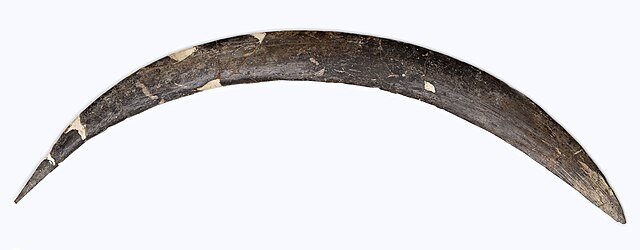
It was found in the 1980s in a cave called the Obazowa Cave and has been dated to be 40,000 years old. If true, it would make it one of the earliest “tools” discovered in Europe and perhaps the oldest boomerang in the world. It is important to point out that not every boomerang was and is designed to return to the thrower. Many were used to hunt animals, and when struck down, the boomerang would fall close by to be picked up by the thrower when collecting his or her next meal.
These boomerangs measure twenty-eight inches in length, and the way they have been fashioned is similar to that of other boomerangs, which helps support the case for them being boomerangs. The cave where they were discovered also contained bones and early tools. Analysis suggests that this cave was used by both Neandertals and early humans at probably different times. The evidence suggests the cave was in use from around 300,000 BCE to 12,000 BCE. This period is significant because it covers the appearance of tools.
Some scientists believe that these boomerangs are younger, perhaps around 20,000 years ago. But, if we are considering the action of early human species using sticks as a throwing weapon, then one example discovered in Germany has been dated back around 300,000 years. I think the jury is still out on this one.
 John Pullen