First, a warning. The next two articles are about early research into ageing and should not be attempted to copy it in any way.
We all age. Some are okay with it, while others are not so happy about getting old. This may sound like a strange question, but what is ageing? It is more than just growing old. Scientists have been studying the subject for many years, trying to understand the processes involved in ageing. Of course, in many cases, the aim of this research is to find ways of prolonging life.
But it is more than this. Would we want to extend our lives by, say, 10 or 20 years if we are suffering from dementia or any other serious age-related diseases or conditions? Very likely, not. So, as well as prolonging life, we also need to find ways of keeping such diseases of age from infecting us. Suddenly, it all gets to look more complicated.
Some scientists are beginning to look upon ageing as a disease in itself, and that many of the conditions associated with old age are symptoms of age itself. There are many areas of research taking place around the world in search of prolonging a disease-free life. In this two-part blog (Part Two follows next week), we shall look at one of these recent studies. But first, let us get a bit of background.
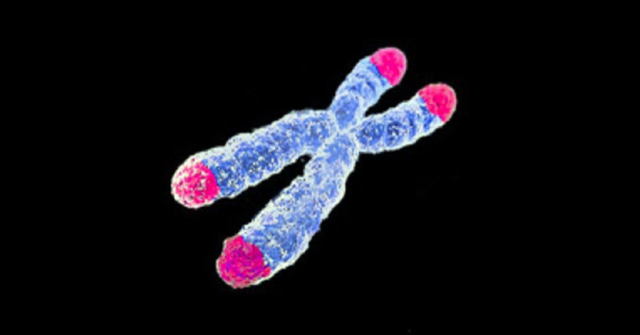
Our cells replicate on a regular basis throughout our lives. But each time they replicate, small errors can occur, affecting our DNA. However, we have a safeguard against this. At the end of each chromosome, there is an additional length of DNA, which is called a telomere. If there is an error in replication, a part of the telomere is broken off, which leaves the cell protected. Unfortunately, after several such shortenings, there is nothing left of the telomere, and the cell is open to damage.
The telomeres, from this account, shorten with age. So, what if we could slow them from shortening so quickly, that should help the ageing process because ageing is due to cell damage. And if that is the case, then we should also see a reduction in age-related diseases. A longer life with less disease. Is that too good to be true? Maybe or maybe not. There is current research which has surprised the scientists involved and in fact, you could say it is magic.
But that is for Part Two.
 John Pullen