In the previous article, we saw how the length of a telomere can help dictate how long your cells can be protected by replication throughout your life. One area of research into anti-ageing is using a substance called psilocybin. It might be better known as the active ingredient in the psychedelic plant called “magic mushrooms”. It has been known through previous research that psilocybin has been effective in helping to treat anxiety, depression and even dementia.
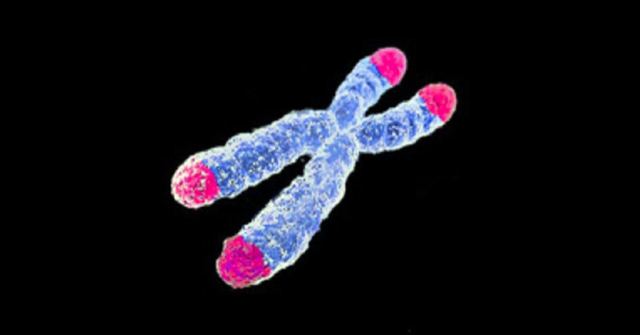
Now, the focus is on keeping us fitter for a longer life. One arm of research was to take human lung and skin cells and treat them to different doses of psilocybin. The result was that the treated cells lived for around 57% longer than the untreated cells. That is encouraging but still a long way to go. In addition, it was found in other experiments that the telomeres lasted longer and that there were reduced levels of oxidised stress present. Lower levels are a good thing.
Another team took two groups of mice. They were approximately 19 months old, which equates to a human in their 60s. One group of mice were treated with psilocybin, and the other was untreated. The dose given was once a month for 10 months. At the end of the 10 months, it was found that 80% of the treated mice were still alive, as against 50% of the untreated mice. The treated group also showed hair growth where there were bald spots, and any grey hair had become brown again.
This sounds impressive, but it is still very early days and many more experiments will have to be carried out, including some within human trials. One drawback noted was that the best results came from the largest doses. For it to be used in humans, scientists will have to find a lower dose that works. This is an exciting area of research, and we shall keep an eye on it.
 John Pullen