One of the rules of most parts of evolution is that it is very, very slow. And this also applies to inanimate objects such as rocks. However, scientists have noticed a puzzling and, quite possibly, a worrying change in this process. Industrial waste is a current problem across most of the planet. The slag heaps in many countries are not only an eyesore, but they can also be hazardous. Fires can break out deep within them, and those fires may burn for months or even years. And the waste material itself can be toxic to humans and animals. It is yet another unpleasant byproduct of our technical and industrial age.
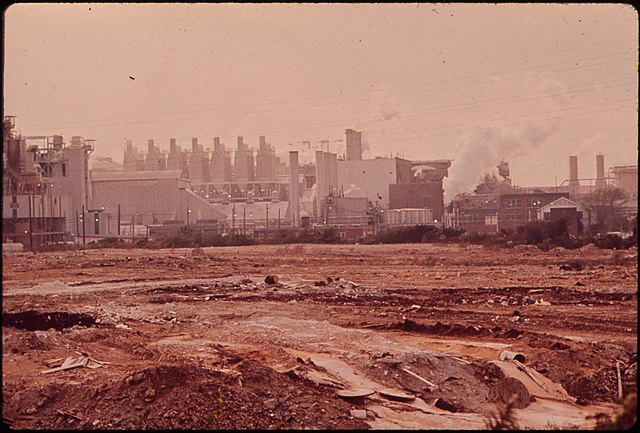
But, something else appears to be happening within these waste hills. Evolution appears to be speeding up and speeding up fast. It has been discovered that new rocks are being formed from the industrial waste. Rather than taking millions of years, this process of creation is down to just 35 years. The normal formation of rocks is known as the “anthropoclastic rock cycle”. What we have here is an entirely new cycle.
Slag is the name given to waste from the iron and steel industries. It was usual to dump it in special refuge sites. There was never any hurry to dispose of it in a better way, as it would take millennia to change in any radical way. But this research changes all that. The first large slag hill to be analysed produced some very interesting results.
They used X-ray and electron microscopy to analyse the molecular make-up of the slag. They soon discovered why this process had sped up. Within the slag material were active chemicals such as calcium, magnesium, manganese and iron. These were interacting and producing natural cements including calcite, brucite and goethite. These chemicals were responsible for binding various substances, which, over just several decades, produced new rocks.
This is just another example of the unintended consequences of our industrial and technological age.

